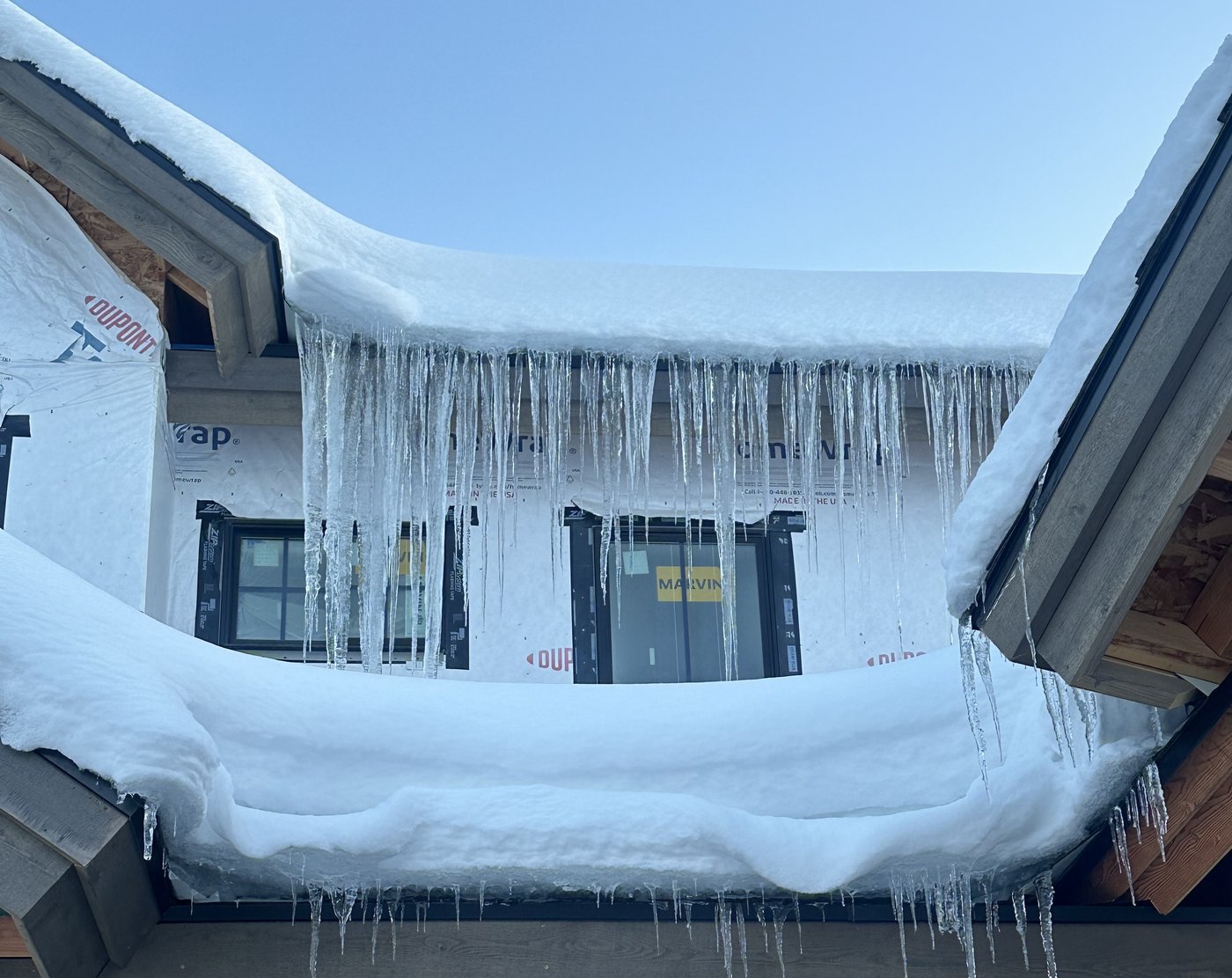
May is the single best month for a roof inspection in Boise, and the reason is timing. Winter is the most mechanically stressful season for Treasure Valley roofs -- freeze-thaw cycling works at flashing seals, ice loads stress gutters, and snow melt finds every gap that developed over the previous year. By May, that damage is fully visible, the weather is mild enough for contractors to work safely, and repair costs are still modest before any moisture that got in over winter has time to spread.
Why May matters for your roof
Boise's freeze-thaw pattern during shoulder months puts repeated mechanical stress on every transition point on a roof. Flashing at chimneys, skylights, and wall-to-roof junctions expands and contracts with temperature cycling. Shingle adhesive seals that were borderline in October may have been broken entirely by March. Gutters that were merely full of debris in fall may have had their brackets pulled by ice weight.
May reveals all of this before summer heat compounds it. Exposed asphalt under damaged granules degrades significantly faster under direct summer UV. Moisture that infiltrated during winter through a small flashing gap has weeks of warm weather to migrate deeper into the roof assembly if not caught. The minor repair in May that costs a few hundred dollars can become a decking replacement in September that costs several thousand.
Common roofing problems after a Boise winter
Flashing failures are the most frequent finding after winter. Counter flashing at chimneys, step flashing along walls, and pipe boot seals are all under thermal stress during freeze-thaw cycling. Gaps that were sealed with roofing cement -- rather than mechanically embedded flashing -- typically show failure first because caulk has a limited service life and doesn't tolerate thermal movement as well as properly installed metal.
Granule accumulation in gutters is the second most common indicator. Some granule loss during a Boise winter is normal, but significant accumulation -- especially on a roof under 20 years old -- points to accelerated shingle wear that warrants closer assessment. Hail events during the previous season are the most common cause of unexpected granule loss in Boise and Meridian.
Lifted shingles that didn't reseal after an ice event are another common May finding. A shingle that was temporarily lifted by ice forming under it may appear to lie flat from the ground but have a broken seal that allows water intrusion during rain. This requires getting close to the roof surface to assess reliably.
How to maximize your roof's lifespan
The combination of a May inspection after winter and a fall inspection before it -- bookending the two highest-stress seasons -- is the most cost-effective maintenance strategy for Treasure Valley homes. Minor issues found in May are addressed before summer heat, and minor issues found in fall are addressed before winter freeze.
Blue Goat Roofing provides free estimates for homeowners throughout Nampa, Eagle, Star, and all surrounding communities. Every inspection includes written findings and is followed by an honest assessment of what needs attention now versus what can wait.